Is Farragut Rental Property Investment a Smart Fit?
July 2, 2026
July 2, 2026
If you are thinking about adding a rental home to your portfolio, Farragut may look appealing at first glance. It has strong home values, a polished suburban feel, and location advantages that attract long-term residents. The real question is not whether Farragut is popular, but whether it fits the kind of investment plan you want to build. In this guide, you will see where Farragut rental homes may fit best, what local rules matter, and what to weigh before you buy. Let’s dive in.
Farragut is a compact town in Knox County with an estimated 2025 population of 25,121, up 6.9% from 2020. It also shows a stable household profile, with 90.3% of residents living in the same home one year earlier. For an investor, that points to a market that may favor longer stays over frequent turnover.
The housing mix also tells an important story. Farragut has a high owner-occupied share, with recent estimates placing it at 84.7%, while renter-occupied housing was reported at 13.8% in community profile data. That smaller renter share does not mean there is no rental demand, but it does suggest a more selective, long-term rental market than a high-volume renter market.
Home values are also notably high. Community data reported a 2022 median home value of $463,300, while newer Census estimates put the median value of owner-occupied homes at $583,400. Median gross rent was estimated at $1,966, which helps frame the income side of the equation, but it also reminds you that your cost basis can be significant.
For most buyers considering Farragut, the clearest fit is a long-hold strategy. The town’s suburban character, strong owner presence, and community amenities line up more naturally with steady, long-term leasing than with quick-turn or high-turnover rental models. If your goal is durable demand from households seeking stability, Farragut may deserve a closer look.
Farragut is not well suited to a short-term rental strategy. The town’s zoning ordinance defines a short-term rental as a dwelling rented for fewer than 30 continuous days, and those units are prohibited in all zoning districts except legally operating grandfathered units recognized before May 17, 2018. In practical terms, you should approach Farragut as a long-term rental market.
That distinction matters when you build your numbers. If your plan depends on vacation rental pricing, weekend occupancy, or frequent guest turnover, Farragut likely does not match your strategy. If your plan is centered on stable leasing, careful property selection, and long-term ownership, the local rules are more supportive of that approach.
Location is one of Farragut’s strongest advantages. The town describes itself as a premier bedroom community and highlights access for commuting to Oak Ridge, Knoxville, Maryville, Alcoa, Loudon County, and McGhee Tyson Airport. That kind of connectivity can matter to tenants who want a practical base for work and daily life.
Farragut also emphasizes quality-of-life features that support long-term residency. The town notes open-space requirements, sidewalks, walking trails, greenway links, Turkey Creek shopping and dining, more than 15 miles of greenway trails, and five parks. For investors, these features can help explain why some renters may choose to stay in the area over time.
School access is another factor many households consider. Farragut is within Knox County Schools, which serves more than 58,000 students, and the town is served by four public schools, including Farragut Intermediate, Farragut Middle, Farragut Primary, and Farragut High. Official district and school pages also note that Farragut Intermediate and Farragut Middle identify as Tennessee Reward Schools.
When you market a rental home here, the most relevant themes are usually commute convenience, parks and greenways, neighborhood upkeep, and access to everyday services. These are practical lifestyle points tied to the local data, not promises about rental performance. Still, they help explain the type of renter who may be drawn to Farragut.
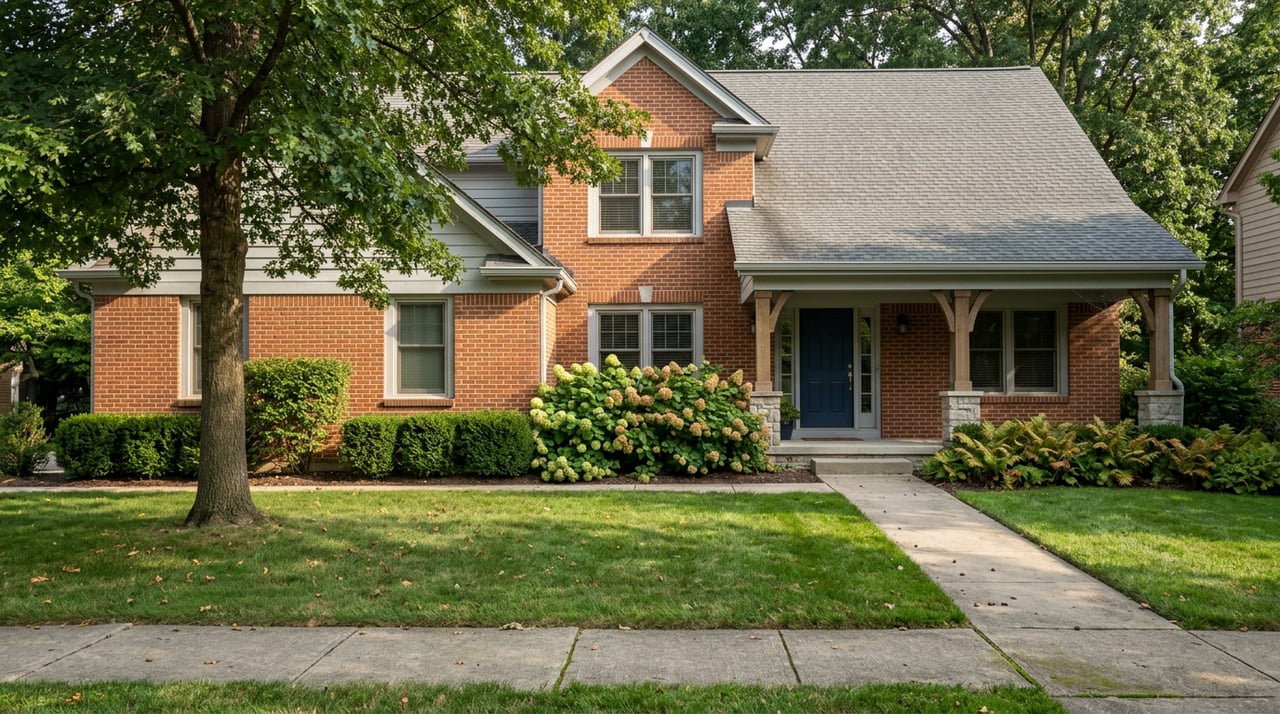
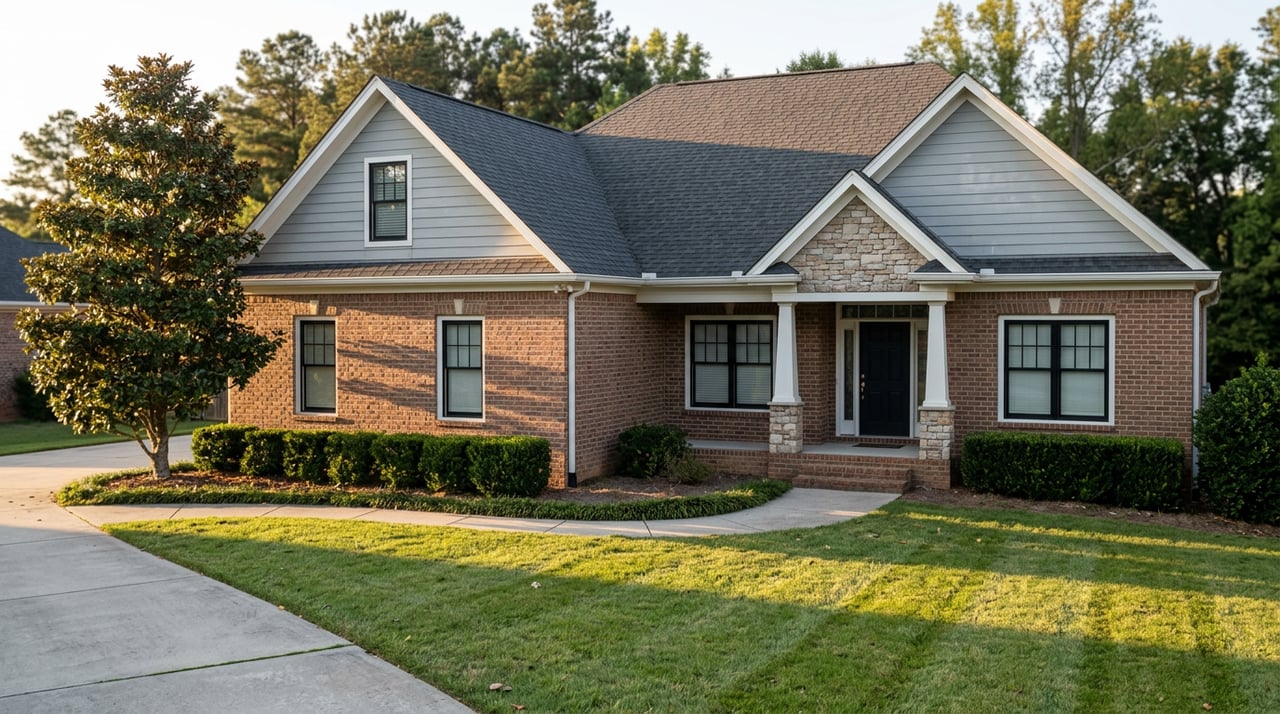
In many cases, a well-kept single-family home is the most natural fit in Farragut. That conclusion comes from the town’s suburban layout, high owner-occupancy, and smaller rental share. A single-family home may also align better with the likely tenant pool looking for space, stability, and a longer stay.
Small multifamily or attached housing can still be part of an investment plan, but it often calls for more diligence. Because Farragut is more owner-user oriented than renter-oriented, you will want to look closely at zoning, code compliance, and how resale demand may look later. A property that works as a rental today should also make sense to a future buyer.
This is where a resale lens matters. In a market with high home values and strong owner presence, your exit strategy may be just as important as your rental strategy. A home that appeals to both renters and future owner-occupants may give you more flexibility over time.
One favorable point for investors is that Farragut does not have a municipal property tax. For county taxation, the Knox County Property Assessor states that residential property is assessed at 25% of appraised value. That does not tell you your full tax bill by itself, but it is an important local input when you estimate carrying costs.
You also need to account for landlord responsibilities under Tennessee law. Because Farragut is in Knox County, long-term rentals fall under Tennessee’s Uniform Residential Landlord and Tenant Act. According to the Tennessee Department of Health, landlords must comply with health and safety housing codes, make repairs needed to keep the property fit and habitable, and keep common areas clean and safe.
Local permitting and code enforcement matter too. Farragut’s Community Development Department administers zoning and code enforcement, including building, plumbing, gas and mechanical, housing, swimming pool, and fire codes. The town also states that permits are required for all new construction and most remodeling work, with inspections scheduled through the town’s permitting system.
For an investor, these rules reinforce a simple point: Farragut rewards a professional, well-maintained approach. If your plan includes deferred maintenance or unpermitted updates, this market may be less forgiving. If your plan includes strong upkeep, compliance, and long-term ownership discipline, Farragut can be a more natural fit.
Every market has tradeoffs, and Farragut is no exception. One of the biggest is the higher cost basis created by local home values. While strong values can support a desirable resale pool, they can also leave less margin for error if you face vacancy, repairs, or higher-than-expected turnover costs.
The smaller renter share is another factor. In some markets, a large tenant base can create more leasing velocity. In Farragut, the rental audience may be narrower, which means property condition, pricing, and location can have an even bigger impact on results.
That does not make Farragut a poor investment choice. It simply means your underwriting should be realistic and your purchase criteria should be disciplined. In a market like this, buying the right property often matters more than buying quickly.
If you are considering a Farragut rental home, it helps to evaluate it through a few practical questions:
Those questions can keep you focused on fit, not just excitement. Farragut can make sense for investors who want a long-hold suburban asset in a well-established part of Knox County. It may be less attractive for buyers chasing short-term rental income or looking for a low-cost entry point.
Farragut rental homes can fit into an investment plan, but usually in a specific way. This market appears better suited to long-term rentals, especially single-family homes that match the town’s suburban character and likely tenant demand. With high home values, a limited renter share, and clear local rules, success here often depends on careful selection, solid maintenance planning, and a resale strategy that remains attractive to future owner-occupants.
If you want help sorting through Farragut investment opportunities, comparing property types, or evaluating how a rental purchase fits your broader goals, Seth Jenkins can help you make a confident, locally informed decision.
Stay up to date on the latest real estate trends.

Whether buying or selling, Seth delivers a tailored, hands-on approach designed to achieve your goals with confidence.