
Choosing Between Old City Lofts and Condos
January 15, 2026
January 15, 2026
Craving brick walls, tall windows, and an open vibe, or do you prefer defined rooms and a predictable floor plan? If you are shopping in Old City, Knoxville, it helps to know that “loft” and “condo” are not the same thing. The right choice comes down to style, ownership rules, financing, and how each building in Old City was converted or built. In this guide, you will learn the key differences, what to check before you buy, and how to match your lifestyle to the best option. Let’s dive in.
A loft describes the space. Think large, open layouts, high ceilings, big windows, and exposed brick, beams, or ductwork. The term is about design, not ownership. A loft can be part of a condominium, a rental, or a mixed-use building.
A condominium is a form of ownership. You own your unit and share the common areas through an association. If a loft unit is recorded as a condominium, condo rules and dues apply. In Tennessee, condominiums are governed by the Tennessee Condominium Act, which sets standards for creation, governance, and owner rights.
Bottom line: always confirm how a specific loft is titled. The legal form controls your rights, responsibilities, financing options, and resale.
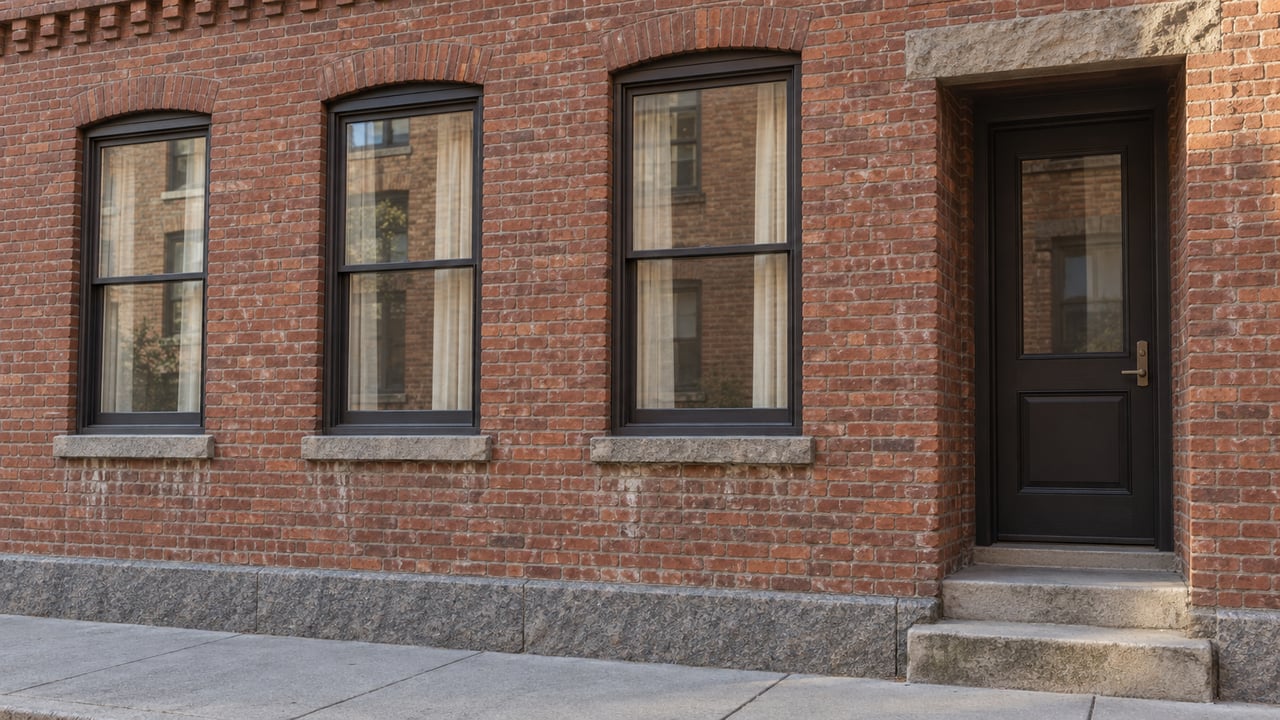
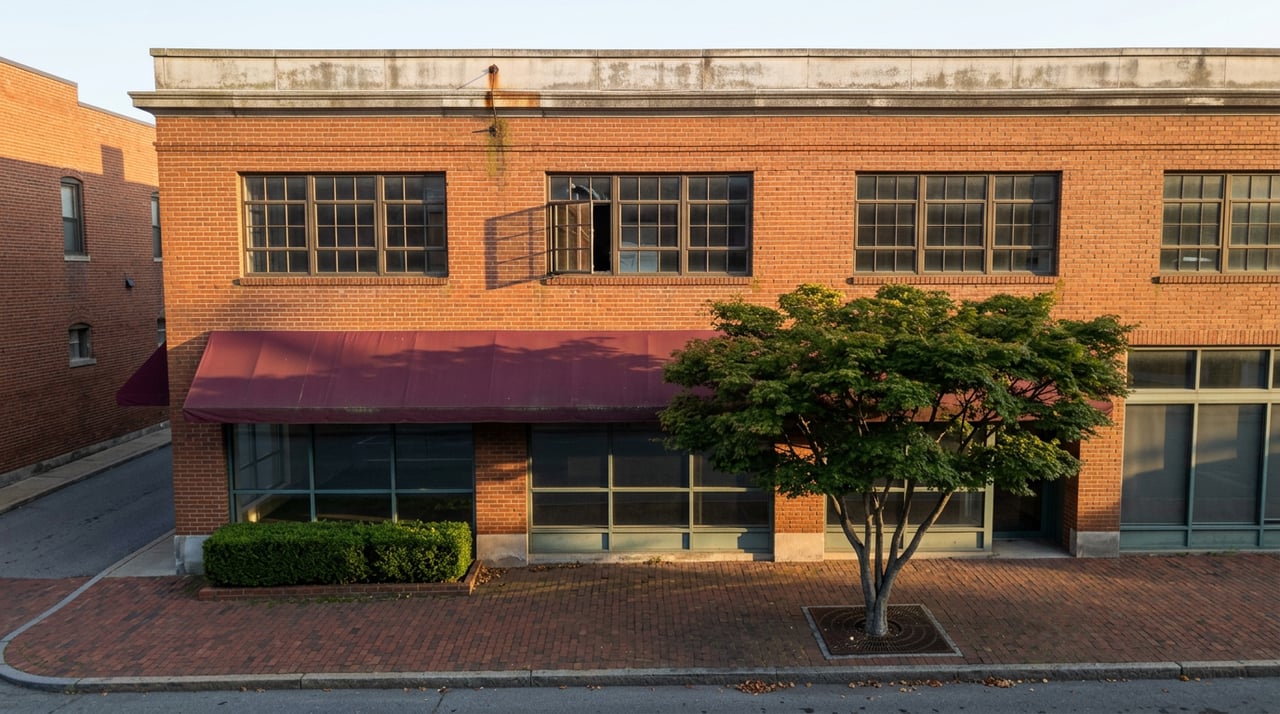
Old City is a historic warehouse and industrial district that has seen major adaptive reuse and infill development. That history is why you will find both converted warehouse lofts and purpose-built condo buildings within a few blocks of each other. Many “lofts” here are legally condominium units inside converted buildings, while others are live/work or commercial conversions with different rules.
The neighborhood’s urban setting concentrates walkability, restaurants, nightlife, and short commutes to downtown employers. Those lifestyle perks draw first-time buyers, downsizers, and investors who value a central location.
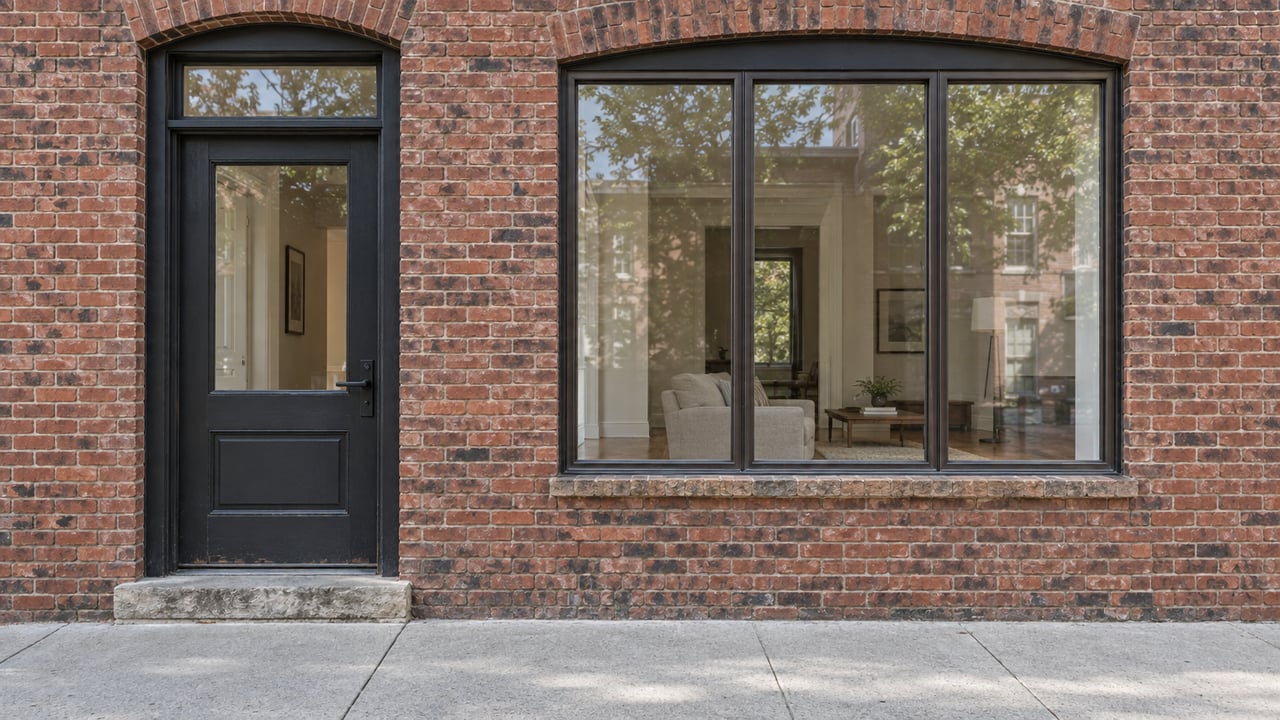
Lofts typically offer open floor plans with few interior walls, higher ceilings, and large windows. You may see irregular layouts, mezzanines, or unique bathroom and closet placement. The industrial aesthetic is the star, which can be inspiring if you like flexible, creative space.
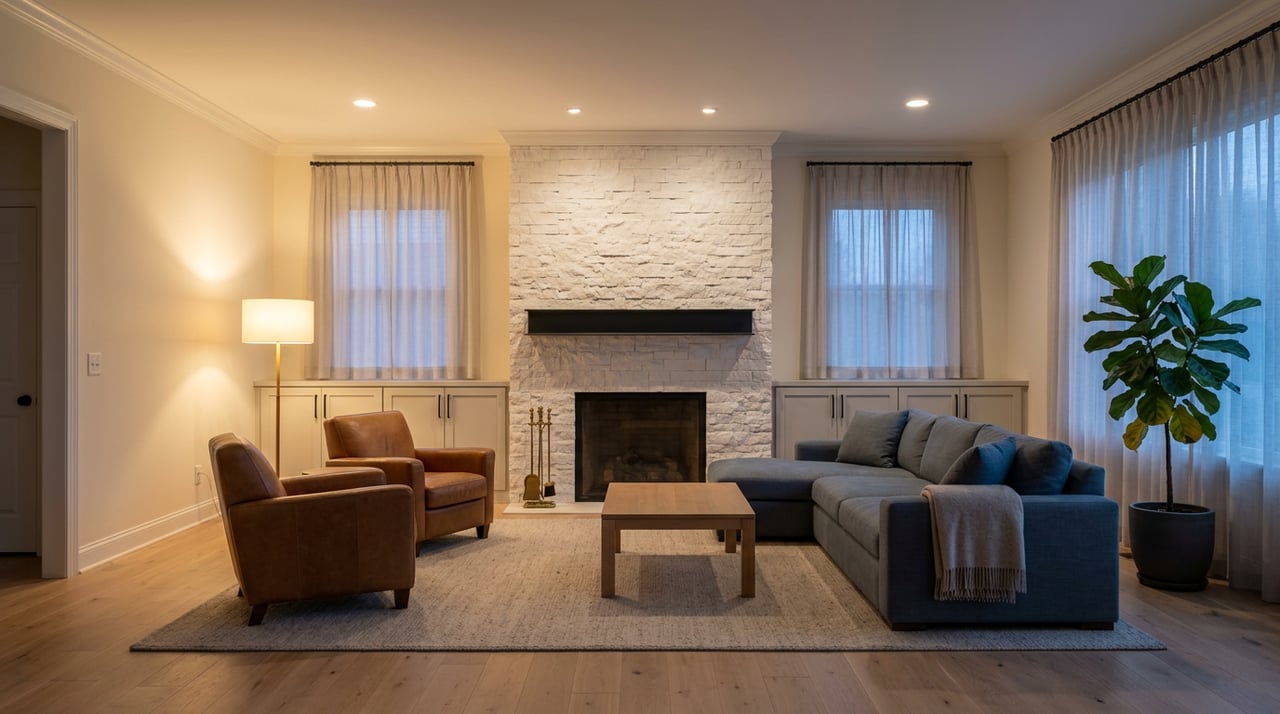
Condos usually deliver more traditional layouts, from studios to multi-bedroom units. Expect defined rooms, built-in closets, and modern residential finishes. Many buyers appreciate the predictability and storage a condo provides.
Here is a quick way to think about fit:
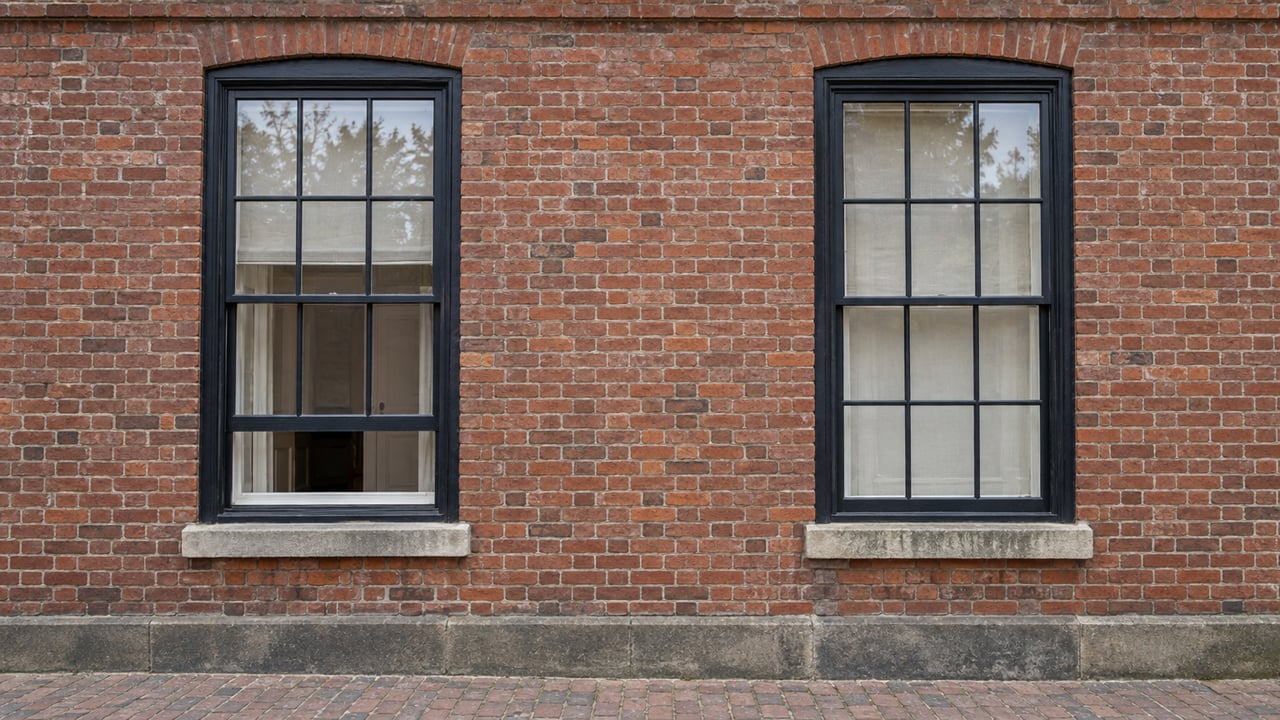
Converted historic buildings come with character and complexity. Older mechanical systems, nonstandard structural elements, and historic preservation rules can affect what you can change. If a building is listed on a historic register, you may need approvals for exterior work and specific materials.
Purpose-built condo buildings are typically constructed to modern residential codes with standard systems and a straightforward legal framework. Renovations inside your unit are usually more predictable.
In short, historic conversions can be rewarding, but you should be ready for added review steps and sometimes higher renovation complexity.
If a loft is a condo, you will participate in a condominium association. That association handles common elements like roofs, exterior maintenance, insurance for shared areas, and reserve funds. You pay dues and follow the declaration, bylaws, and rules.
Fees vary by building and what the association covers. Converted loft buildings sometimes have small associations with leaner management, which can mean lower overhead but also a risk of underfunded reserves or uneven rule enforcement. Larger or newer condo buildings may have more amenities and more formal management.
Always confirm the legal status for any loft or condo you consider. Use the recorded declaration, plat, and rules to understand use restrictions, pet policies, leasing limits, and who pays for what.
Old City condo buildings can include features such as secure entries, fitness centers, garages, courtyards, or onsite management. Loft conversions may offer minimal common amenities, sometimes limited to the shared entry and parking, while relying on the neighborhood for services and recreation.
Parking is a central consideration in Old City. Options can include deeded spaces, assigned spaces, surface lots, street permits, or association-managed garages. Storage can be tight in lofts, so verify unit closet space and whether you get a storage locker.
Utilities and services differ by building. Some associations include water, trash, or even cable in dues, while others bill most utilities individually. Clarify this early, since it impacts your monthly costs.
Condo financing depends on both you and the project. Some loan programs, like FHA or VA, require building-level approvals or exceptions. Lenders also review owner-occupancy levels, commercial space percentages, reserves, and any litigation that may affect the building.
Lofts in mixed-use or commercial conversions can face extra scrutiny. Lenders look at how the property is titled, whether it is primarily residential, and how much commercial space exists. These factors can limit certain loans or require higher down payments.
On insurance, learn what the association’s master policy covers and what it does not. Many owners carry an HO-6 policy to protect interior finishes and personal property. Older or converted buildings can have higher premiums or exclusions, so confirm coverage and cost before you commit.
Lofts often appeal to a niche buyer who values character and urban life. That uniqueness can command a premium per square foot during strong demand, yet the buyer pool can be smaller, which may affect time on market.
Condos with conventional floor plans tend to attract a broader audience that includes first-time buyers, downsizers, and investors. Broader appeal can support liquidity, especially when the project’s legal and financial profile aligns with popular loan programs.
In Old City, location and building health matter as much as style. A strong association, clear legal status, adequate reserves, and stable dues all support resale.
Before you make an offer, request and review the following for the specific unit and building:
If you want character, flexibility, and urban energy, a loft can be a great match. If you want predictability, traditional rooms, and broader financing and resale options, a condo may fit better. Either way, your best move is to evaluate the legal status and health of the specific building you love.
Ready to compare options and review the fine print with a local expert who knows Old City conversions and condo projects inside and out? Reach out to Seth Jenkins to map your search, understand financing, and buy with confidence.
Stay up to date on the latest real estate trends.
Whether buying or selling, Seth delivers a tailored, hands-on approach designed to achieve your goals with confidence.