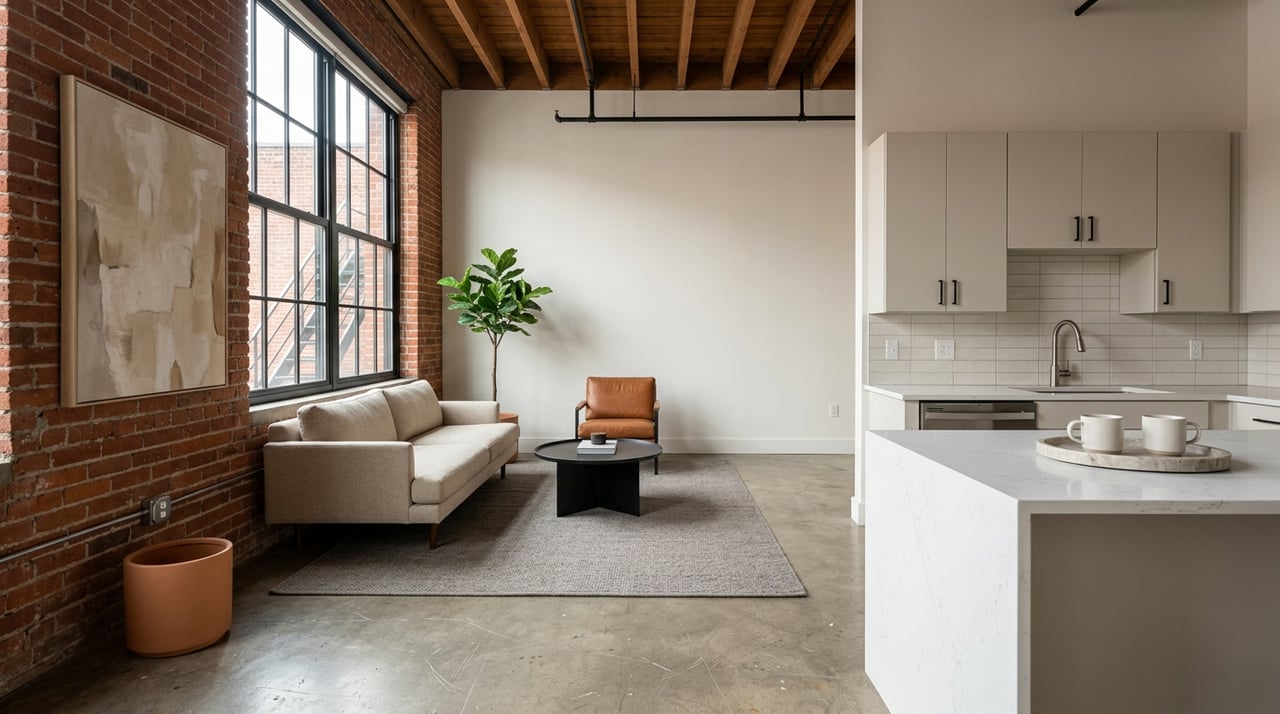
Old City Knoxville Investment Property Outlook 2026
April 2, 2026
April 2, 2026
If you are looking at Old City Knoxville as an investment play, you are not shopping a typical rental market. You are looking at a small, historic urban district where limited inventory, walkability, and year-round activity shape both pricing and demand. This snapshot will help you understand what lofts, condos, and rentals in Old City may offer, where the risks sit, and how to underwrite the area with realistic expectations. Let’s dive in.
Old City sits on the northeastern edge of downtown Knoxville and blends historic railroad-era buildings with a busy mix of dining, retail, and entertainment. The district is described by the Old City Association as both a nightlife district and a daytime creative corridor, which helps explain why the area stays on the radar for buyers, renters, and investors.
For you as an investor, that identity matters. Old City is not just a place to own real estate. It is a place where location, historic character, and pedestrian access drive much of the value.
One of the clearest takeaways in Old City is how little public inventory exists. As of February 28, 2026, Zillow showed just 13 homes for sale in the neighborhood, with examples including condo units on South Gay Street and loft-style properties on Jackson and Gay. You are working in a supply-constrained submarket, and that scarcity can support pricing even when the broader market cools.
The tradeoff is that comps can be thin. Because there are so few Old City-specific sales and listings at any given time, pricing often has to be measured against nearby downtown assets rather than relying only on a tight neighborhood comp set.
Old City is already a premium urban-core market by Knoxville standards. Zillow’s neighborhood data places the average home value in Old City at $540,422, compared with $363,688 for Knoxville overall. Nearby Downtown Knoxville comes in even higher, with a median ZHVI of $690,879.
That price gap tells you something important. If you are buying in Old City, you are usually paying for a specific lifestyle and asset type, not chasing entry-level pricing or easy cash flow.
Most public inventory in Old City falls into a fairly specific lane. You are most likely to see smaller condo units in historic or converted buildings, along with loft-style apartments and rentals that benefit from easy access to downtown amenities.
That can be a good fit if your strategy favors lower-maintenance urban product over larger suburban rentals. It also means details like HOA fees, building rules, parking, and renovation limits can matter more here than they might in a detached-home investment.
Demand in Old City is tied closely to what the district offers on foot. According to the Old City Association visitor guide, the area includes 23 bars and nightclubs, 17 restaurants, 20 retail shops, 3 coffee houses, and 2 distilleries. That concentration of uses supports renters who want an urban, walkable setup with activity nearby.
Another demand anchor is the University of Tennessee. UT Knoxville reported 40,421 students in fall 2025, which helps support housing demand across downtown and nearby urban neighborhoods from students, faculty, staff, and visitors.
For you, this means Old City demand is not coming from just one source. It is supported by entertainment, employment, university activity, and downtown access.
A major project near Old City is Covenant Health Park, the publicly owned stadium just east of the district. According to City of Knoxville project materials, the venue is expected to host hundreds of events each year and is part of a larger mixed-use development effort.
That matters because recurring event traffic can support both traditional rentals and furnished short-stay demand where allowed. It also adds another reason for businesses, visitors, and residents to spend time in and around Old City.
The city is also continuing to invest in the area’s connectivity. The Jackson Avenue project is designed to strengthen pedestrian and land-use connections between Old City, UT, and the rest of downtown, and additional streetscape funding was approved in late 2025. Over time, that kind of public investment can reinforce the neighborhood’s long-term appeal.
Neighborhood-wide rent data for Old City is limited, so active listings are the most useful public guide. Current asking rents on Zillow suggest roughly:
For comparison, Knoxville’s citywide Zillow rent index is $1,708. That spread suggests renters in Old City are paying more for walkability, character, and downtown access, not simply more square footage.
If you are comparing Old City to a suburban rental, this is the key lens to use. The product here often competes on experience and location first.
Using current two-bedroom asking rents as a rough guide, a $540,422 Old City unit renting for $2,400 to $3,100 per month implies a gross yield of about 5.3% to 6.9% before expenses. This is not a published neighborhood cap-rate figure, but it is a useful starting point when you model a condo or loft purchase.
For cap rates, active listings offer the best public signal. A nearby asset at 7 Emory Place was marketed at a 6.5% cap rate, while Old City search pages have surfaced examples around 5.35%, 6.44%, and 7.19% depending on the property type and tenancy.
The key word is marketed. These are asking figures rather than closed-sale averages. Still, they suggest that stabilized downtown and near-downtown product is generally being priced in the mid-5s to low-7s.
If you are buying Old City, it is smart to underwrite for measured growth instead of rapid appreciation. Zillow shows Old City home values up 0.8% year over year, compared with 0.6% for Knoxville overall.
Broader apartment-market reports in the research also point to supply pressure, with occupancy in the low-to-mid 90% range and modest rent growth. New deliveries have been outpacing absorption, which can limit short-term rent acceleration. In plain terms, Old City still benefits from scarcity and urban demand, but you should not assume aggressive rent jumps in the near future.
If your strategy includes furnished or short-stay rentals, Knoxville’s rules need a close read. Under the city’s short-term rental ordinance FAQs, residential zones allow short-term rentals only at the owner’s principal residence, while non-residential districts may use Type 2 permits even if the owner does not live on site.
There are also operating requirements. Permit numbers must appear in advertisements, Type 2 permits are capped at two per owner or entity citywide, and operators must certify smoke detectors, carbon monoxide detectors, and fire extinguishers.
That means you should confirm zoning, permit eligibility, and building rules before you count on short-stay income. In a neighborhood like Old City, that due diligence can change the deal math quickly.
Old City’s appeal is tied closely to its historic building stock, but that comes with added review in some cases. Knoxville’s zoning ordinance user manual explains that properties within an H overlay are subject to review by the Historic Zoning Commission, and a certificate of appropriateness is required before a building permit can be issued.
If you are planning upgrades, layout changes, or exterior work, you should factor in both time and cost. Historic review is not necessarily a deal breaker, but it is part of the operating reality in this district.
Property taxes are another important piece of the underwriting puzzle. The City of Knoxville lists a property tax rate of $2.1556 per $100 of assessed value, with residential property assessed at 25% of appraised value and commercial property at 40%. The city also notes that Tennessee has no state income tax.
That tax structure can be favorable, but it does not remove the need to model the full expense stack. In Old City, you will want to pay close attention to:
A unit that looks strong on rent alone can feel very different after these costs are layered in.
Old City tends to fit a specific kind of investor best. It can make sense if you value supply constraints, historic character, downtown energy, and long-term neighborhood relevance more than maximum monthly cash flow.
In many cases, the buyer profile here includes small investors, second-home buyers, and purchasers who want a flexible urban asset close to Knoxville’s core. The most realistic expectations are usually mid-single-digit gross yields, cap rates in the mid-5s to low-7s on marketed assets, and appreciation tied more to scarcity and continued downtown reinvestment than explosive rent growth.
Old City Knoxville is not a bargain submarket, and that is exactly the point. You are buying into a compact, historic district with limited inventory, premium pricing, strong walkability, and multiple demand drivers that include nightlife, downtown access, UT, and new nearby public investment.
If you want help sorting through lofts, condos, mixed-use opportunities, or the numbers behind a specific Old City property, Seth Jenkins can help you evaluate the opportunity with local insight and a clear investment lens.
Stay up to date on the latest real estate trends.
Whether buying or selling, Seth delivers a tailored, hands-on approach designed to achieve your goals with confidence.