
Step-by-Step Guide to Selling a Home in Old City
April 23, 2026
April 23, 2026
If you own a loft or condo in Old City, selling it is not the same as selling a typical house in Knoxville. This pocket of downtown has a distinct identity shaped by historic warehouse buildings, brick streets, galleries, restaurants, breweries, music venues, and a walkable urban feel. That creates opportunity, but it also means pricing, preparation, financing, and HOA details can carry more weight than many sellers expect. This step-by-step guide will show you how to prepare, price, market, and close your Old City property with fewer surprises. Let’s dive in.
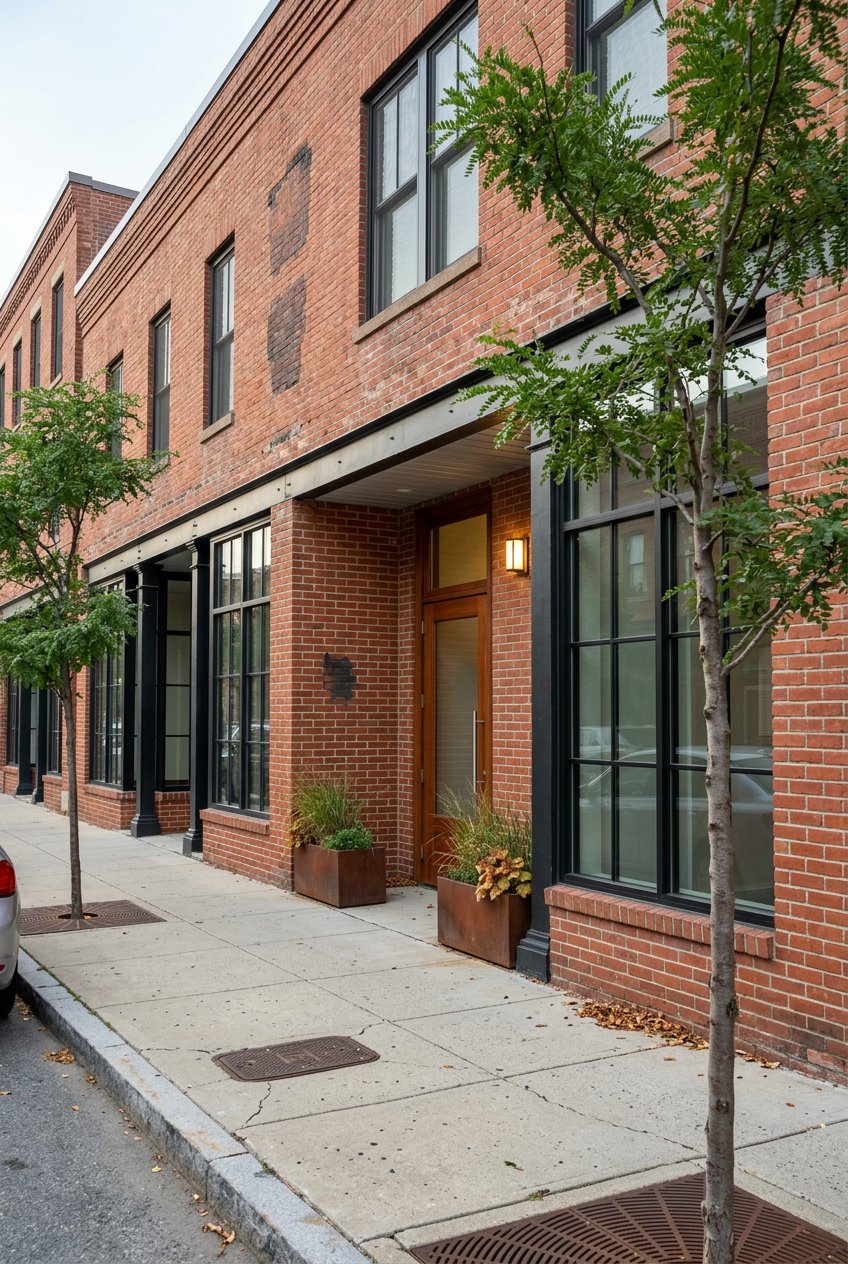
Old City is a niche market, not a one-size-fits-all neighborhood. According to the Old City Association’s history overview, the area evolved from a rail and warehouse district into a historic neighborhood known for independent businesses, restored buildings, and a strong sense of character.
That identity matters when you sell. Buyers drawn to Old City are often looking for convenience, walkability, historic details, and a more urban lifestyle. The area’s proximity to Covenant Health Park also adds to its current visibility and activity.
Pricing data here should be read carefully. Zillow’s Old City home value index was $539,446 as of 3/31/2026, while its cited recent trend signals and small sample size suggest values can vary significantly from one building to another. In a neighborhood with limited sales, your unit’s floor, finishes, parking, HOA dues, and building reputation may matter more than any broad average.
In Old City, smart pricing starts at the building level. A loft in one historic building may not compete directly with a condo a few blocks away if the layout, amenities, parking, dues, or financing options differ.
This is especially important when sales volume is limited. When there are only a few recent transactions, broad neighborhood numbers can be directional, but not definitive. Your pricing strategy should focus on the most comparable units available, then adjust for condition, updates, views, access, and any building-level factors that affect buyer demand.
A realistic launch price also helps protect momentum. If a property sits too long, buyers may assume there is an issue with the unit, the building, or the association.
Old City properties tend to sell on charm and authenticity. Visit Knoxville’s Old City coverage emphasizes the neighborhood’s warehouse history, brick streets, and creative feel, so your goal is to let that personality come through.
That usually means simplifying the space, not over-decorating it. Clean sightlines, uncluttered rooms, and thoughtful staging help buyers notice features like exposed brick, tall ceilings, industrial windows, and open layouts.
Try to make the home feel polished without stripping away what makes it unique. In a loft or condo with strong architectural details, buyers often respond best when the presentation feels clean, bright, and true to the building.
Visible maintenance can affect confidence quickly. In a condo or loft sale, buyers are evaluating both your unit and the overall condition of the building.
Before listing, focus first on cosmetic and functional issues that could raise concerns during showings, inspections, or appraisal review. Common pre-listing fixes include:
These steps matter because lender review can extend beyond the unit itself. As Fannie Mae’s condo guidance explains, project eligibility can be affected by insurance coverage, repairs, and overall marketability.
Tennessee sellers should not wait until an offer arrives to think about disclosures. The state’s Residential Property Disclosure guidance says the form covers known defects, environmental hazards, flood or drainage issues, encroachments, and unpermitted work.
This is an area where honesty and timing matter. Tennessee also warns that failure to disclose can cancel a contract or lead to legal action. If you know of an issue, it is better to address it clearly and early than have it surface later in the transaction.
For many sellers, this step is easier when handled before the home goes live. That gives you time to gather records, clarify repairs, and reduce last-minute stress.
If your property is part of a condominium association, this is one of the most important steps in the process. Under Tennessee condo law, the association must provide requested information within 10 business days, and the package may include:
The association may also charge a reasonable fee for the package. Because this information can affect financing, buyer confidence, and contract timing, it is smart to request it early instead of waiting until you are under contract.
One of the biggest surprises in condo sales is that a buyer can love the unit and still hit a financing roadblock because of the building. That is why it helps to understand your project’s position before listing.
Fannie Mae notes that condo project eligibility can depend on financial health, unresolved critical repairs, and master insurance coverage. Freddie Mac also reviews budgets and delinquent assessments through its project standards.
If a buyer is using FHA financing, the project may need to be FHA-approved, or the unit may need to qualify through HUD’s Single-Unit Approval path. HUD says that option is only available when the project is complete, has at least five dwelling units, and meets the rest of its criteria.
In plain language, the unit alone does not determine whether the sale works. The association’s insurance, finances, repairs, and overall health may directly affect your buyer pool.
A generic listing can undersell an Old City property. Marketing should reflect what actually draws buyers to this part of Knoxville.
According to Visit Knoxville’s Old City page, the area is known for its historic feel, dining, nightlife, galleries, and entertainment. That means your listing photos, description, and launch strategy should emphasize features like walkability, warehouse character, nearby activity, and the convenience of downtown living.
If your building rules allow rental flexibility, that may also matter to some buyers who value investment potential. The key is to market verified benefits clearly and accurately, without overstating what the building or association permits.
Old City can be a tricky place for appraisals because direct comparables may be limited. A compact neighborhood, unique floorplans, and building-specific differences can all make value support more complex.
The Redfin neighborhood snapshot referenced in the research shows how small the recent sales sample can be. When inventory and closings are limited, appraisers and underwriters may ask more questions about the building, recent sales, repairs, assessments, and market positioning.
You can reduce friction by being prepared. Before listing, be ready to answer questions about:
Once you accept an offer, details start moving quickly. In Old City condo and loft sales, contract-to-close issues often center around document review, financing, and association coordination.
That is why early preparation pays off. If the HOA package is already ordered, disclosures are complete, and key building details are organized, you are less likely to lose time after going under contract.
Special assessments can also affect negotiations. Even if a buyer likes the unit, a pending or recently discussed assessment may influence how they view value, monthly cost, or future maintenance risk.
By the time you reach closing, the goal is simple: no surprises. Tennessee’s condo information package includes items such as transfer fees, assessments, insurance, and delinquency information, so those details should be confirmed well before the final walkthrough.
You should also verify any practical handoff items tied to the building. That might include keys, parking access, garage remotes, entry codes, or building fobs.
This final check helps the transaction finish smoothly and gives the buyer a cleaner handoff on closing day.
Selling in Old City is part pricing strategy, part presentation, and part document management. Because this neighborhood is compact and building-specific, small details can have an outsized effect on your sale.
That is where local, neighborhood-level guidance matters. When you understand how Old City’s historic identity, walkable lifestyle, condo financing standards, and association documents all connect, you can position your property more confidently from day one.
If you are thinking about selling your loft, condo, or investment property in Old City, Seth Jenkins can help you build a smart plan with local market insight, professional marketing, and clear guidance from listing to closing.
Stay up to date on the latest real estate trends.




Whether buying or selling, Seth delivers a tailored, hands-on approach designed to achieve your goals with confidence.