
Old City Knoxville Condo Market: Should You Wait?
July 9, 2026
July 9, 2026
Buyers comparing downtown Knoxville neighborhoods usually arrive at Old City with the same mental model. They see a walkable brick district, a short list of loft buildings, and a headline about 270 new homes approved a few blocks north on Depot Avenue. The instinct is to wait. More supply, softer prices, better deal in 2028.
That read is close enough to feel right and wrong enough to cost money. The Depot Avenue project will land on a very different market than the one selling Old City lofts today, and the pressure will show up in rents long before it shows up in resale comps.
In February 2026, Knoxville's Design Review Board approved plans by Norr Architecture for a mixed-use building at 100 West Depot Avenue, with the developer working through KCDC toward a purchase and, on their own estimate, a possible groundbreaking this year followed by roughly two years of construction. The program is specific: a two-story podium with a 283-space structured garage, three retail bays tiered along North Central to match the grade change up from the tracks, live-work units lining Depot, and five upper floors holding 270 homes above interior courtyards and a pool amenity. The Chicago-based developer has delivered similar buildings in Madison, Boulder, and Charlottesville.
Two details in that description do most of the analytical work. The unit mix runs from studios to three-bedrooms, and the bulk is described as market-rate housing with a likely workforce-housing component. This is a rental building with retail underneath. It is not a condo project.
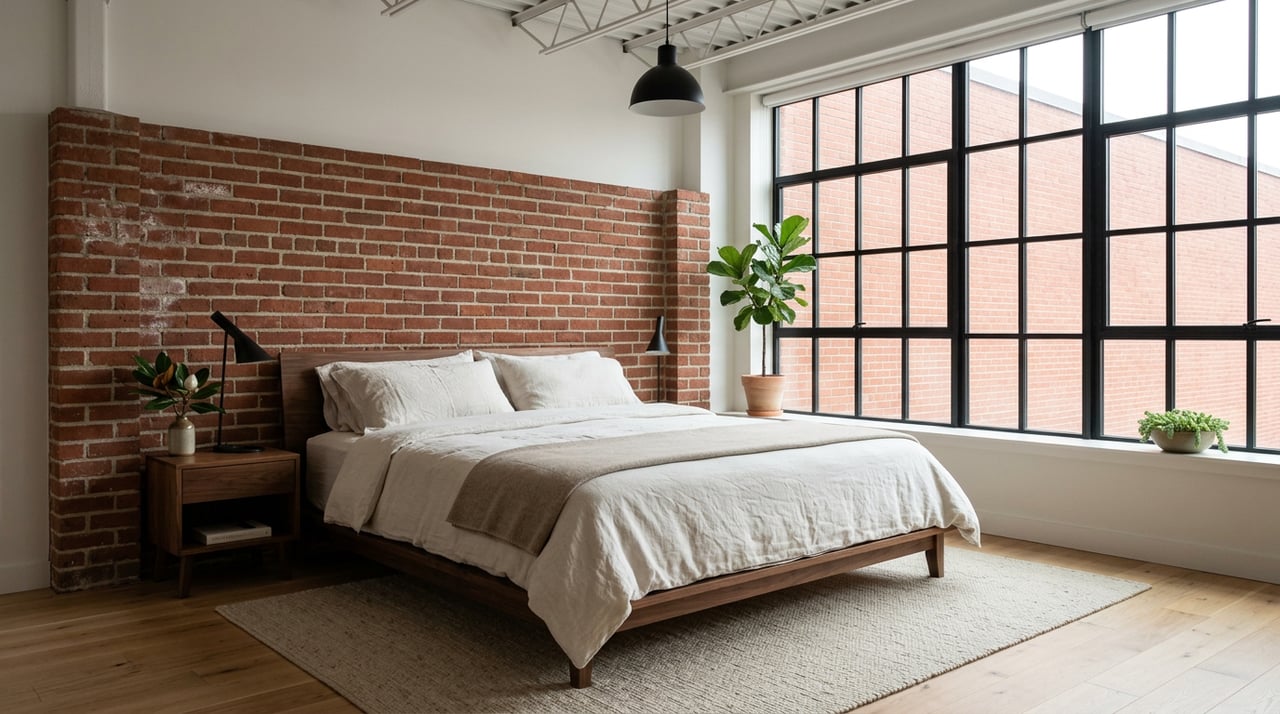
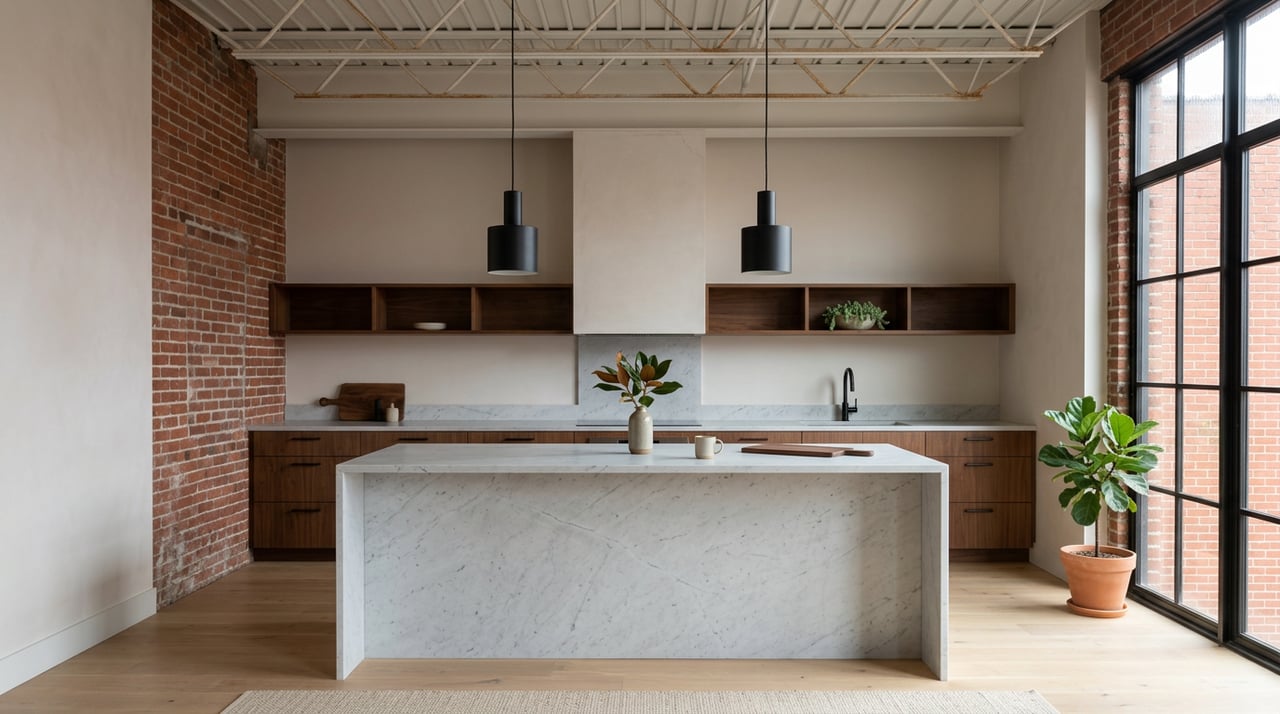
Old City's owner-occupant stock is concentrated in a handful of named buildings. Active listings this summer trace a familiar loop: Sterchi Lofts on Gay Street, Fire Street Lofts, The Mews at 203 Mews Way next to Mill & Mine, Hewgley Park's two-level units, and a new corner two-bedroom on Gay Street that listing copy describes as the first new construction on that stretch in more than 40 years.
Downtown Knoxville is roughly 81% renter-occupied, per RentCafe's read of Census estimates, with an average downtown rent near $2,073 in May 2026 and one-bedrooms ranging from about $1,499 to $5,022. Metro-wide, the Knoxville condo median sat at $409,900 in June 2026 with condos averaging 37 days on market. The Old City slice of that pool is a rounding error, and it is getting smaller for a reason that rarely makes it into buyer conversations.
Look at how sellers are pitching small units near the ballpark. One current downtown listing leads with mileage callouts: 0.2 miles to Old City, 0.3 miles to Covenant Health Park, 0.5 miles to Gay Street, "turnkey short-term rental," fully furnished, "ready for immediate rental income." That is not a homeowner's flyer. It is a yield pitch aimed at the next investor, and it explains why loft inventory looks thin even as the neighborhood keeps adding people.
The Depot Avenue pipeline is a rental pipeline. The Old City for-sale pool is a historic, mostly small-building pool that is quietly being converted into nightly-rate inventory. Those two markets touch, but they don't clear at the same price.
Once you separate the two markets, the two-year construction window reads differently.
| Product type | Where it lives | Likely near-term pressure |
|---|---|---|
| New market-rate rentals | 100 W. Depot, plus existing large buildings like Marble Alley Lofts | Downward pressure on downtown asking rents as 270 units lease up |
| Historic loft condos | Sterchi, Fire Street, Hewgley Park, The Mews | Thin supply, HOA-heavy, competing with STR investor demand |
| New-construction condos | The new Gay Street corner unit and successors | Priced against the cost to build, not against Depot Avenue rents |
| Short-term rental units | Small lofts within a half mile of Covenant Health Park | Tied to Smokies attendance and event calendar, not to apartment rent trends |
The Depot Avenue units will compete for tenants with Marble Alley Lofts, Church and Henley, Caelian, Hubris, and the other large-format downtown rentals RentCafe tracks. If you own a one-bedroom loft you were planning to hold as a long-term rental, that is the number to watch. If you are buying a Sterchi or Fire Street unit to live in, the more relevant supply story is how many similar units come to market in the next six months, not how many apartments open two blocks away in 2028.
New construction on Gay Street is its own case. When a builder puts up the first new for-sale product in that corridor in four decades, the pricing anchor is replacement cost plus a scarcity premium, not the median rent on Depot. A buyer waiting for those units to discount against apartment supply is waiting for a comp that will not arrive.
Three transaction-specific frictions repeat across Old City deals, and they are worth pricing in before an offer, not after inspection.
HOA structures in historic buildings behave differently than suburban HOAs. Sterchi Lofts, Fire Street Lofts, The Mews, and Hewgley Park each carry their own reserve posture, insurance stack, and rules on rentals. Ask specifically about the short-term rental policy, the master insurance deductible after recent Tennessee premium resets, and any pending special assessments tied to roof, envelope, or elevator work. In a building where a meaningful share of units are already investor-owned, the owner-occupant math on assessments can be lopsided.
Parking is a contract term, not an amenity. Some units convey a deeded space, some carry a lease with a nearby garage, some rely on the public lot at 298 E. Jackson Ave. This is one of the few line items where the listing photo can mislead a buyer into paying for something they will later rent.
Event-adjacent noise is asymmetric. Units facing Mill & Mine, The Standard, or the Jackson Avenue block behave one way on a random Tuesday and another during a Smokies homestand or a First Friday. Two showings on two different days is not overkill in this district. It is diligence.
Short-term rental competition changes the appraisal set. If half the recent sales in a building were investor purchases underwritten to nightly-rate revenue, the comps carry an implied yield that a primary-residence buyer is not getting. Your lender's appraiser will use those sales anyway. Being ready to defend value with the owner-occupant subset of comps matters more here than in most Knoxville submarkets.
For a buyer weighing "now versus 2028," the mechanism points to a few concrete signals worth tracking rather than a single call.
None of those signals require a crystal ball. They require paying attention to the specific market you are actually buying into, rather than the one the headline described.
Will 270 new units on Depot Avenue drop Old City condo prices? Probably not directly. The project is rental, and the Old City for-sale stock is small, historic, and increasingly split between owner-occupants and short-term-rental investors. Rental supply pressures rents. Condo prices in Sterchi, Fire Street, The Mews, and Hewgley Park will move more on their own listing cadence and on new-construction pricing along Gay Street.
Should I be thinking about Old City as an investment or as a residence? The math is different for each. An owner-occupant is buying walkability, an HOA structure, and a specific building's rules. An investor is buying a yield pitch tied to Covenant Health Park foot traffic and event calendars. The same unit can look attractive or expensive depending on which of those two frames you apply.
Is now a bad time to buy in the neighborhood? Timing is a building-level question here more than a neighborhood-level one. What matters is which unit, in which HOA, at what price relative to owner-occupant comps rather than STR comps.
Old City rewards buyers who understand which market they are actually standing in. If you want that read applied to a specific building or listing, Seth Jenkins can walk the HOA docs, the comp set, and the parking terms with you before you write an offer, and pull a free valuation on anything you already own downtown.
Stay up to date on the latest real estate trends.

Whether buying or selling, Seth delivers a tailored, hands-on approach designed to achieve your goals with confidence.