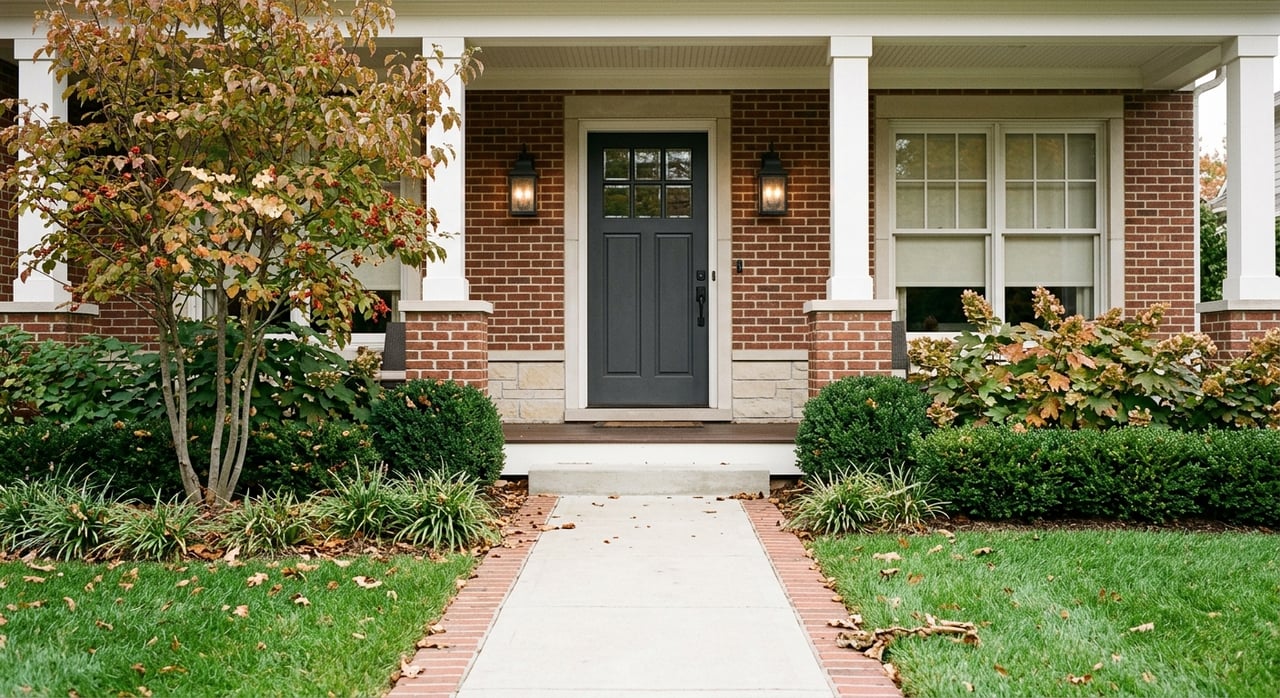
Understanding Neighborhood And HOA Living In Farragut
June 4, 2026
June 4, 2026
If you are searching for a home in Farragut, the neighborhood matters just as much as the house itself. You may love a floor plan or lot, but the day-to-day experience often comes down to how the community is maintained, what amenities are included, and what rules come with ownership. The good news is that Farragut offers a thoughtful neighborhood setting, and with the right questions, you can find a community that fits your lifestyle. Let’s dive in.
Farragut is a suburban town in southwestern Knox County with a population of just over 22,500 people. The town offers five parks and more than 15 miles of greenway trails, which helps explain why outdoor access and neighborhood connectivity are such a visible part of the local feel.
That pattern is not accidental. Farragut’s residential policy requires developers to reserve 10% of each project’s acreage for passive open space or recreational amenities, and sidewalks and greenway links are required elements in development planning. In simple terms, many neighborhoods here are shaped by both private community design and public planning standards.
The town’s planning staff oversees zoning, subdivision regulations, and applicable municipal code provisions, while the Municipal Planning Commission reviews subdivision plats and development plans. For you as a buyer, that means neighborhood layout, open space, and shared features are often part of a broader planning framework, not just an HOA choice.
In Tennessee, HOA living really comes down to the governing documents. State law defines the declaration as the document that creates the association and includes restrictive covenants, bylaws, and similar governing documents, while rules and regulations are separate written policies and procedures.
That matters because two communities can both be called HOA neighborhoods and still operate very differently. One may have simple dues and basic upkeep, while another may have detailed design rules, shared amenities, and a more active approval process for changes to your property.
If you are also looking at condos or attached housing, do not assume the structure is the same as a single-family neighborhood. In Tennessee, unit owners’ associations for condos and some attached housing may adopt budgets and bylaws, collect assessments, regulate common elements, charge fees for use of common elements, and levy reasonable fines after notice and an opportunity to be heard.
One of the biggest questions in Farragut is simple: what are you paying for? That answer can vary a lot from one neighborhood to another.
The Town of Farragut handles public facilities and services such as street maintenance, drainage projects, street sweeping, rights-of-way mowing, snow-removal planning, and maintenance of town greenways and other public properties. Because of that, it is important to confirm which parts of a neighborhood are public and which are privately maintained by the association.
In some communities, dues may go toward basic common-area landscaping, entry features, lighting, or private stormwater areas. In others, dues may support a broader amenity package such as walking trails, pools, tennis courts, or clubhouses, all of which are specifically contemplated in Farragut’s residential policy.
That is why HOA fees can look very different even between neighborhoods that seem similar at first glance. A lower monthly fee is not always better if it means fewer services or limited reserves, and a higher fee may make sense if it supports amenities you plan to use regularly.
Farragut’s planning framework favors open space, sidewalks, trails, and neighborhood connectivity. That can be a major plus if you want easier access to outdoor recreation or if you simply prefer a community layout that feels more connected.
Still, the right fit depends on your priorities. Some buyers want a neighborhood pool or clubhouse, while others would rather keep dues lower and enjoy the town’s public parks and greenway system.
A smart way to compare communities is to look beyond the amenity list and ask how those features are funded and maintained. A pool, tennis court, or clubhouse may sound appealing, but it also affects dues, reserves, and the potential for future assessments.
Special assessments deserve close attention any time you buy into an HOA. They can affect your budget in ways that regular monthly or annual dues do not.
In 2024, Tennessee added a rule for special assessments tied to nonessential amenities such as a pool, tennis court, or clubhouse. For that type of assessment, the HOA must approve it by at least a two-thirds vote of total members and provide financing or a payment plan.
The same law also prohibits foreclosure for nonpayment of that specific type of nonessential-amenity assessment. Even with those protections, it is still wise to ask whether there have been recent special assessments or any that are currently being discussed.
When you compare neighborhoods in Farragut, you will get much better clarity by asking direct questions early. A community may look great on a tour, but the documents and maintenance structure tell you how it actually functions.
Here are some of the most useful questions to ask:
These questions matter because local town regulations already govern many site-level issues, and HOA rules add another private layer. Understanding both helps you avoid surprises after closing.
If future rental flexibility matters to you, make that part of your due diligence before you buy. Some buyers plan to live in a home for years, while others want the option to keep it as a long-term rental later.
Tennessee law provides that if a declaration is later amended to prohibit or effectively prohibit long-term rental use of a single-family property, an owner who was already using the property that way has a vested right to continue until the owner transfers the property. That is helpful context, but it does not replace the need to understand the current rules before you purchase.
The practical takeaway is simple: if rental use is part of your long-term plan, ask for the governing documents and review the existing restrictions carefully.
The best way to think about HOA living in Farragut is not as a simple yes-or-no decision. Instead, think of it as a match between your lifestyle and a neighborhood’s rulebook, maintenance model, and amenity package.
For example, one buyer may value private amenities and more structured appearance standards. Another may prefer fewer restrictions and rely more on Farragut’s public parks, trails, and town-maintained features.
Neither approach is automatically better. The key is finding the community where the expectations, costs, and upkeep align with how you want to live.
Before making an offer, ask for the full set of HOA documents and read them with a practical mindset. Focus on the parts that will affect your daily life, your budget, and your future flexibility.
Pay close attention to maintenance responsibilities, approval requirements for exterior changes, current dues, reserve funding, and any sign of upcoming capital expenses. In Farragut, where neighborhood design often includes open space and shared features, those details can make a big difference in your ownership experience.
If you want help comparing Farragut neighborhoods, reviewing what makes one community different from another, or narrowing down the right fit for your goals, Seth Jenkins can help you navigate the details with local insight and straightforward guidance.
Stay up to date on the latest real estate trends.

Whether buying or selling, Seth delivers a tailored, hands-on approach designed to achieve your goals with confidence.